The association
An institution builtfor the long term.
EuroPAC Network Association is a Swiss non-profit based in Zug. Its purpose is to cultivate a durable European leadership network: identifying talented people, forming judgment, connecting them across countries and professions, and building institutional capacity that lasts.
- Founded in Zug, Switzerland
- Non-profit association
- Pan-European in scope

The premise
The shortage isnot of talent.
Europe lacks neither talent nor ideas nor civic energy. What it lacks is the institutional density needed to identify emerging leaders, form judgment, connect them across borders and professions, and convert episodic civic energy into durable institutional capacity.
A cause finds its moment, capable people organise something, and within a few years the network has dissolved and the next effort begins again from approximately nothing. What is missing is not enthusiasm. It is the standing arrangements that would have held it in place.
Purpose
Four things, done consistently.
Stated as verbs rather than as values, because each one describes an activity that either happens in a given year or does not.

Identify
Find people early, before an institution or a party has claimed them, and while their judgment is still being formed.
Talent is not scarce. Occasions on which it is recognised, and then taken seriously enough to be developed, are.
Form
Put them in a room with difficult texts, capable opponents and enough time for an argument to be finished properly.
Formation is not information transfer. It is the slower business of learning to hold a position, test it and revise it in company.
Connect
Introduce them across borders and professions, and then keep those relationships in existence for decades rather than months.
A continent of national publics produces national networks. Crossing them has to be organised deliberately, or it does not happen.
Build
Convert what follows into standing organisations, so that the effort does not have to be made again from nothing.
The measure of the association is how many durable institutions exist because of it, twenty years from now.
The governing idea
European cooperationshould strengthen nationalresponsibility.
Orientation
What the associationtakes seriously.
These are commitments of the association, not a syllabus and not a test applied to fellows. Programmes are designed to examine them, including by reading their most capable critics at first hand.
A tradition that cannot survive being questioned closely was not going to survive anyway.
- Natural rights
- Freedom of speech
- Freedom of the press
- Freedom of religion
- Representative government
- National sovereignty
- The rule of law
- Democratic legitimacy
- European civilisational inheritance
- Western cultural achievement
- Democratic self-government
- Institutional continuity

Zug, Switzerland
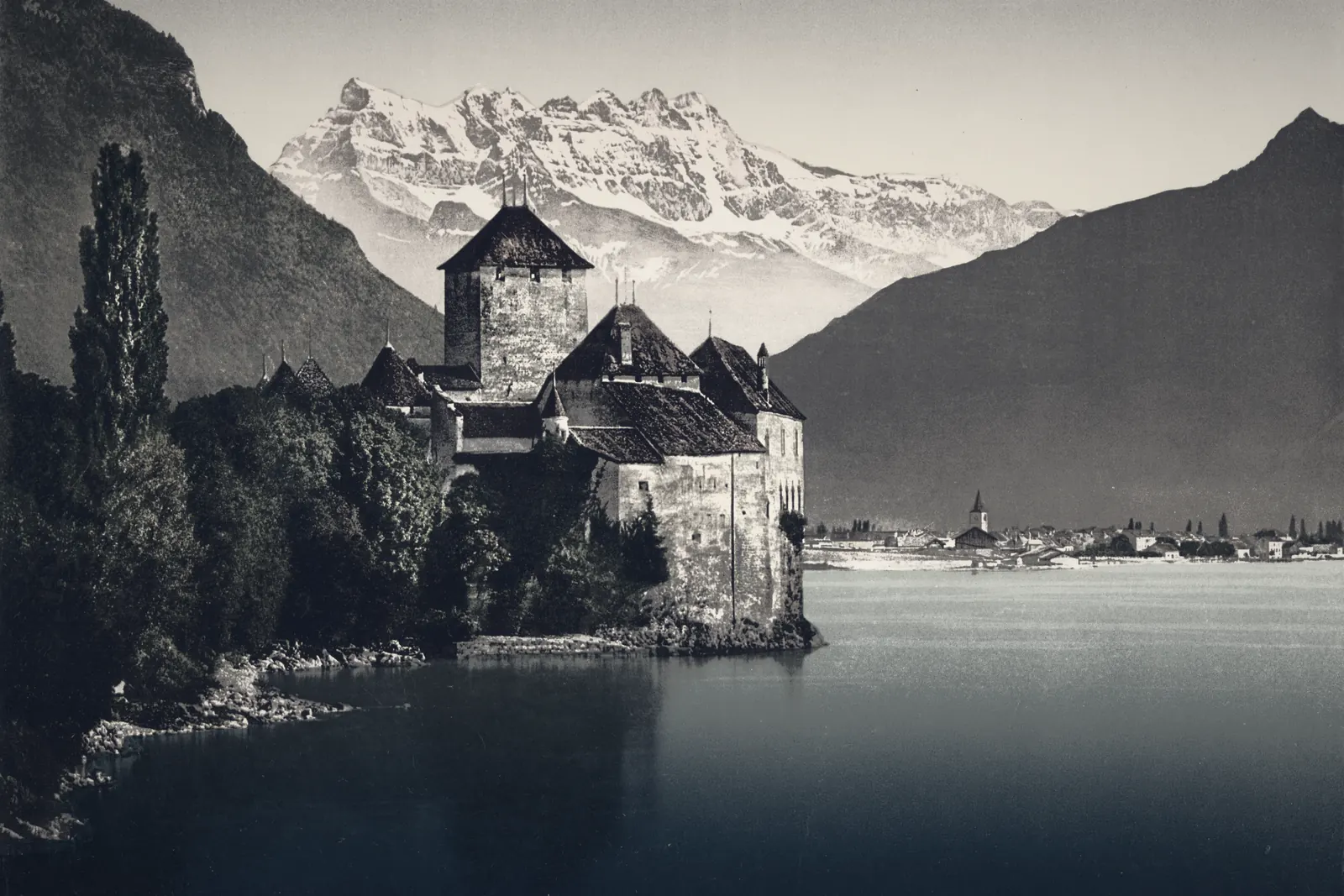
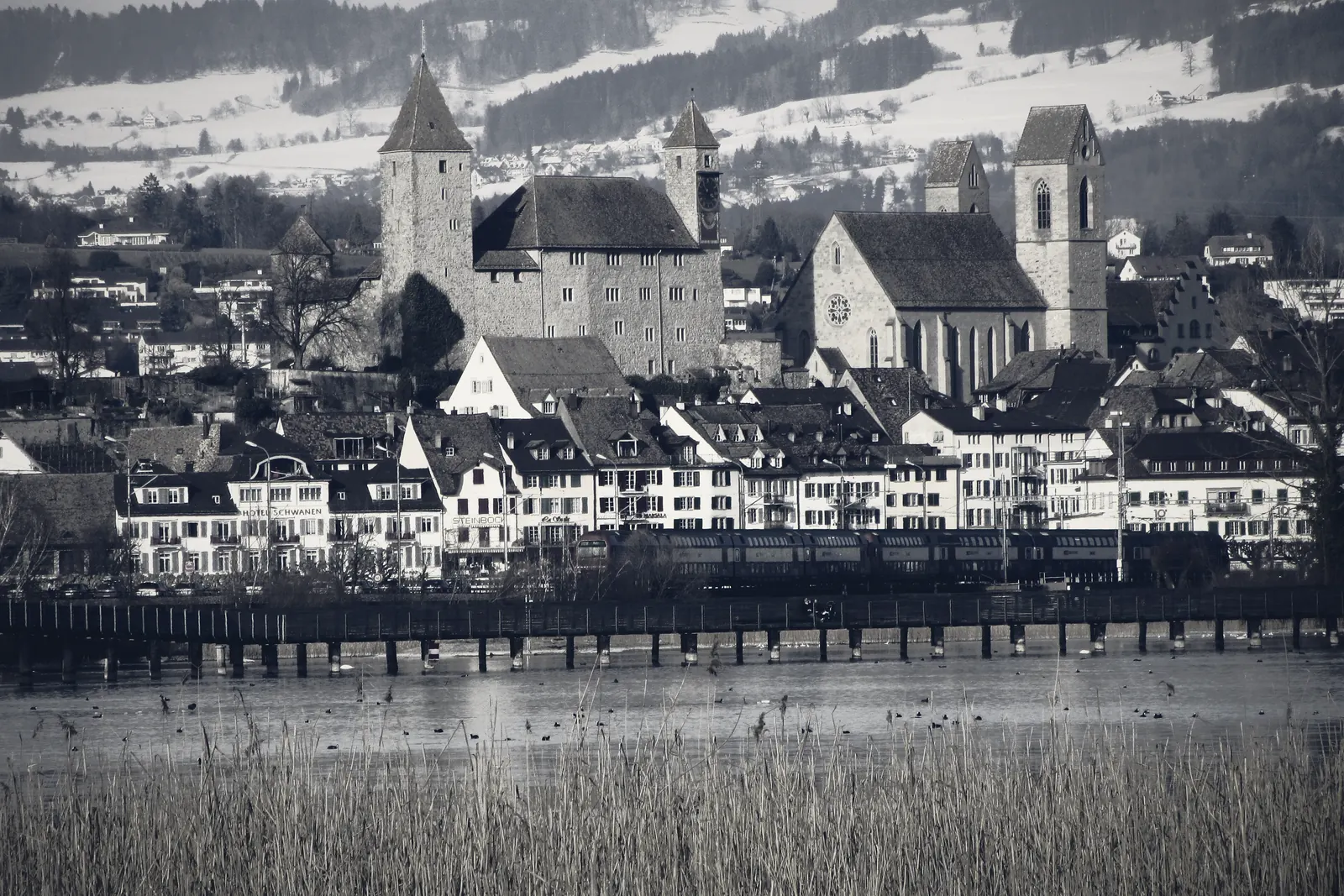
Why the associationis Swiss.
The choice of Switzerland is not administrative convenience. It reflects a set of political facts that the association regards as instructive rather than incidental.
A federal state that has kept authority close to the people who live under it, in which citizens vote directly on the questions that govern them, which has stayed outside the institutional structure of the Union while remaining unmistakably European, and which has long provided a home for international organisations.
- 01
Political independence
- 02
Federalism
- 03
Direct democracy
- 04
Civic self-government
- 05
Neutrality
- 06
A European tradition outside the institutional structure of the Union
- 07
An established home for international organisations
What is being built
Institutions, and therelationships thathold them up.
The association builds educational programmes, mentorship structures, alumni networks, events, conferences, salons, reading groups, cultural gatherings, residencies and cross-border collaborations, and supports the founding of organisations by the people it has formed.
The network is intended to span politics, law, enterprise, technology, journalism, culture, science, academia, public administration and civil society, because a network confined to one of them is a professional association rather than a civic one.

A note on this site
This site presents the institution rather than the individuals who serve it. That is a deliberate choice and a durable one: the work described here is intended to outlast everyone currently doing it. Correspondence reaches the association through the contact page and is answered by the association.