
Programmes and initiatives
One institution,then an ecosystem.
The Renaissance Academy comes first because formation comes first. Everything that follows exists to keep what the Academy produces in existence: chapters, salons, mentorship, publishing, residencies and new organisations.
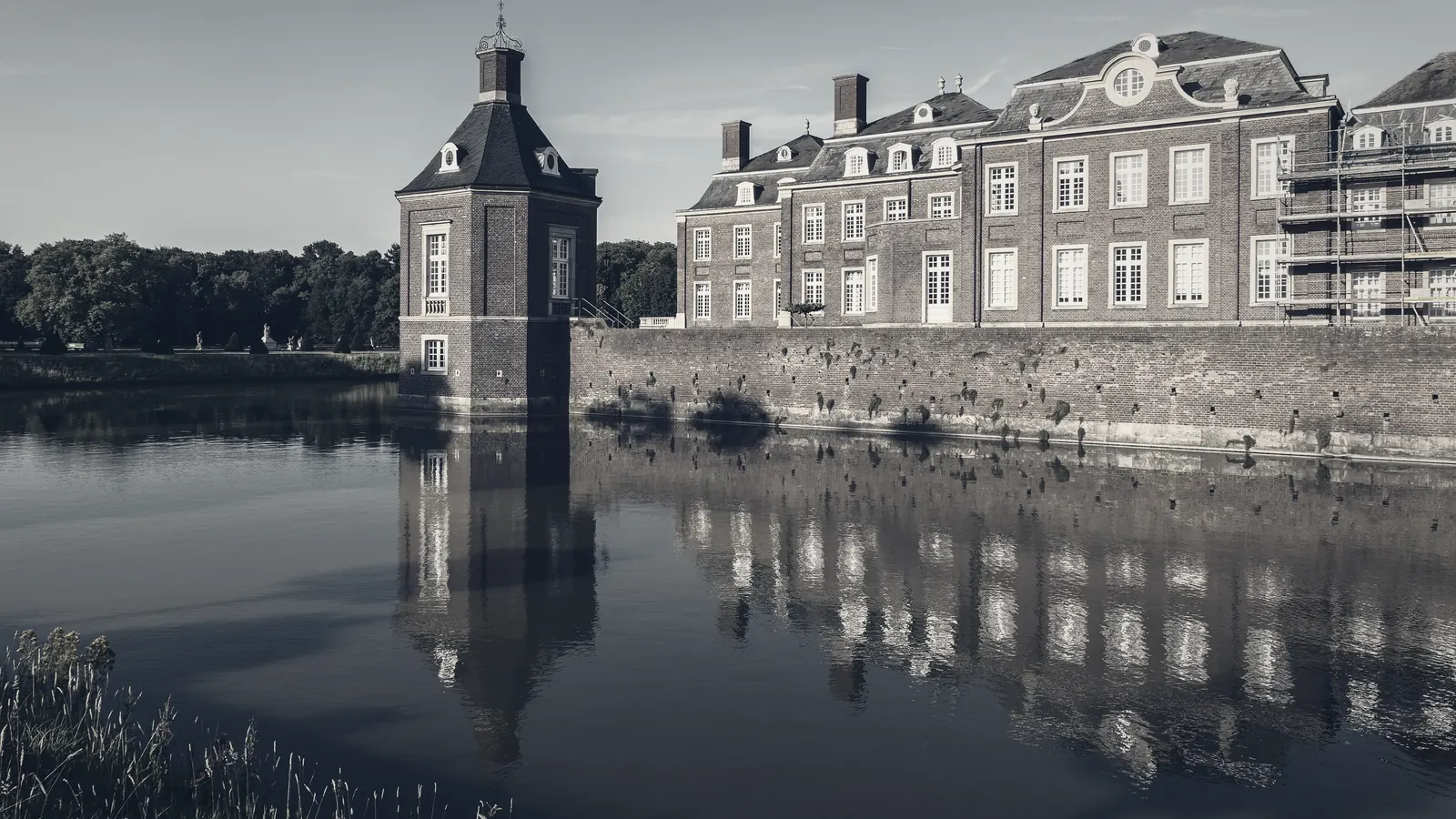
Flagship programme
The RenaissanceAcademy
A pan-European leadership formation programme built around intensive residential Academies in Switzerland.
Four Academies, roughly forty fellows in each, adapting a Dutch residential model practised since 2015. Primary texts, close reading, moderated argument, culture, community and formal graduation into a continuing network.
The wider ecosystem
One institution,then an ecosystem.
What follows from a cohort
Seven initiatives, stated plainly.
Status is given against each one. Nothing here is described as further along than it is.
Alumni chapters
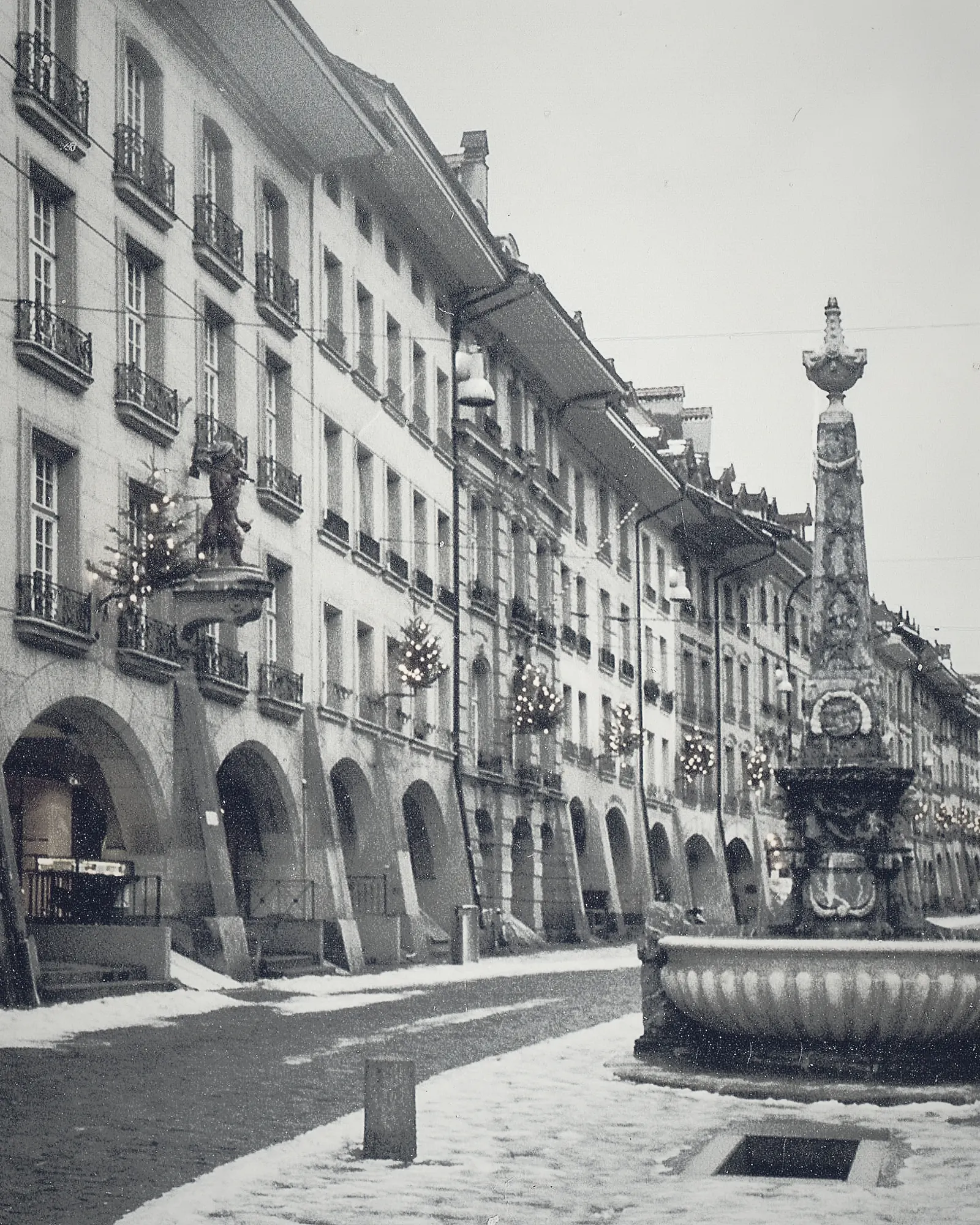
Local groups convened by graduates in the cities where they live, held together by a common formation.
Chapters give the network a physical form between Academies: regular meetings, hosted evenings and a point of contact for fellows moving between countries.
Salons and reading groups
The seminar method, continued in small recurring gatherings around a single text or question.
Deliberately small and deliberately unhurried. A salon is not a conference. Preparation is expected and the conversation is allowed to take the evening.
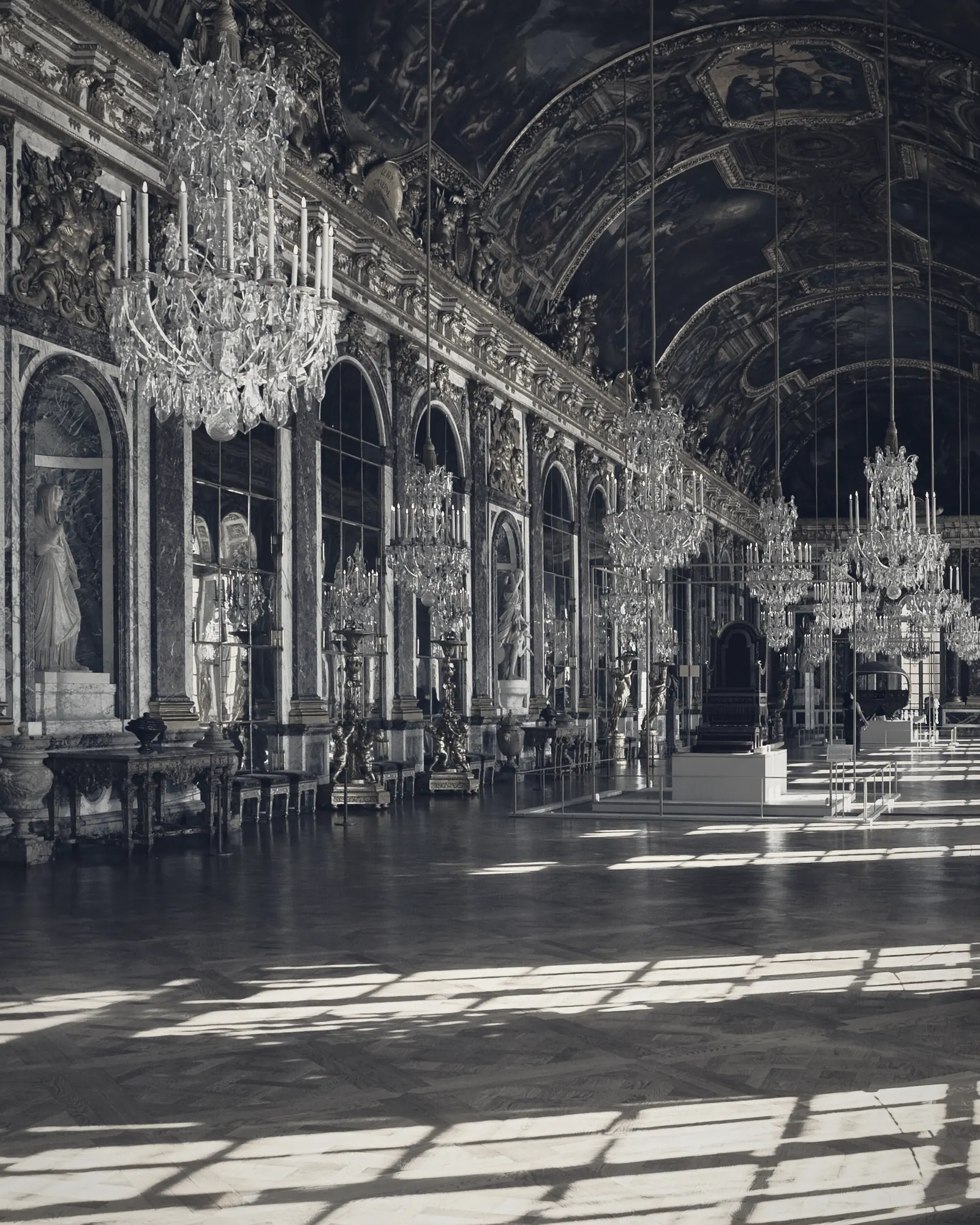
Lectures, concerts and dinners
Occasions that hold the intellectual and cultural life of the network together in public.
Lectures by scholars and practitioners, live classical performance, and dinners at which the conversation is the point rather than the accompaniment.
Mentorship
Structured relationships across generations, borders and disciplines.
Mentorship is arranged rather than hoped for. Fellows are matched with people further along in adjacent fields, and the pairing is expected to survive the end of a programme.
Research and publishing
Essays, translations, lectures in print, and longer work that European public argument rarely makes room for.
The intention is a body of published work produced by fellows and by the association, addressed to a serious general reader rather than to a discipline.
Residencies
Time and a place to think, for writers, scholars and founders at a decisive point in their work.
Short residencies in a setting suited to sustained attention, connected to the seminar and lecture life of the network.
Institutional incubation
Support for new organisations founded by members of the network, so that civic energy leaves something behind.
Advice, introductions, early funding relationships and institutional memory. The measure of the association is how many durable institutions exist because of it.
Partnership
Institutions are built with other people.
The association works with foundations, hosts, publishers, universities and private supporters who understand that this kind of work is measured in decades.