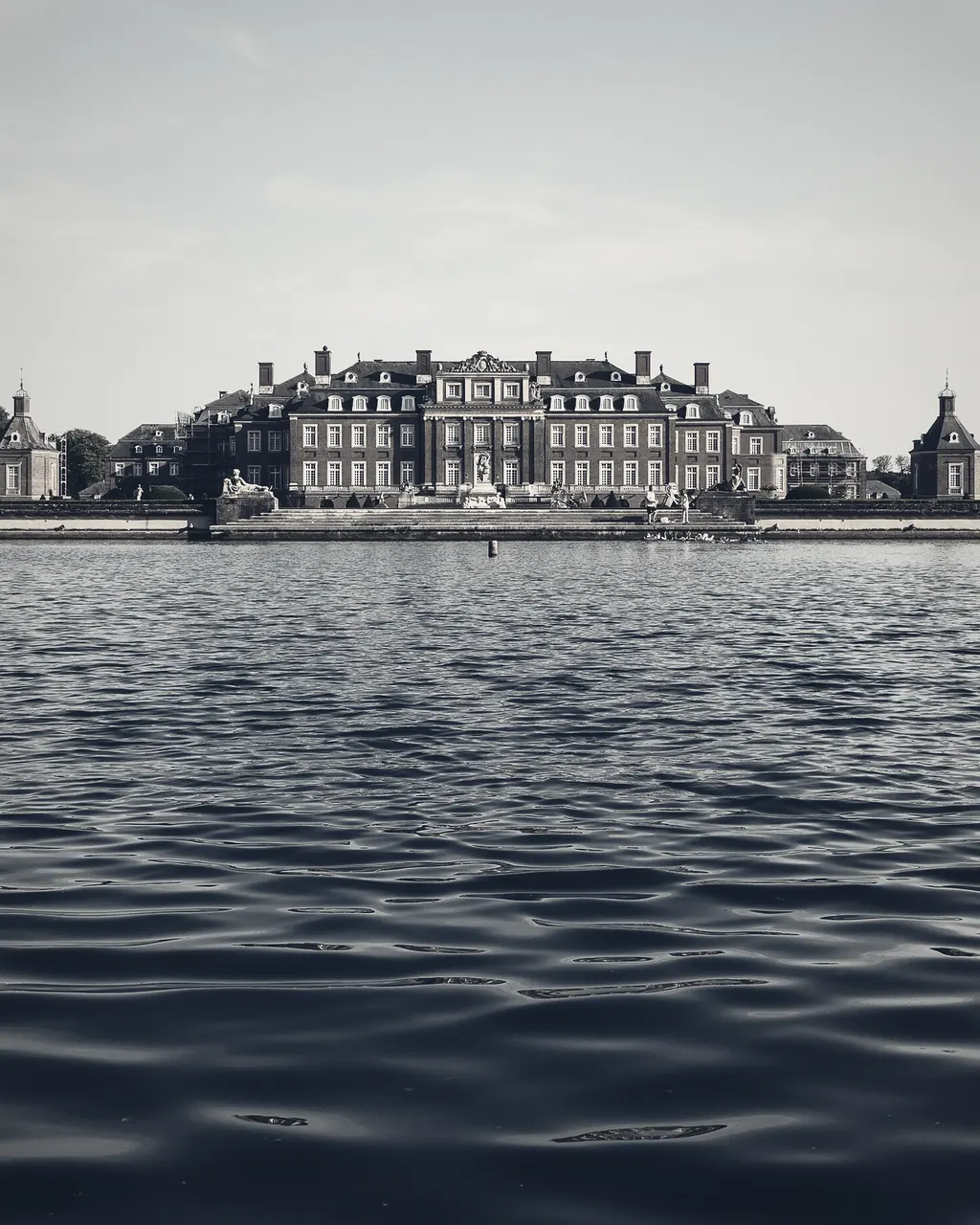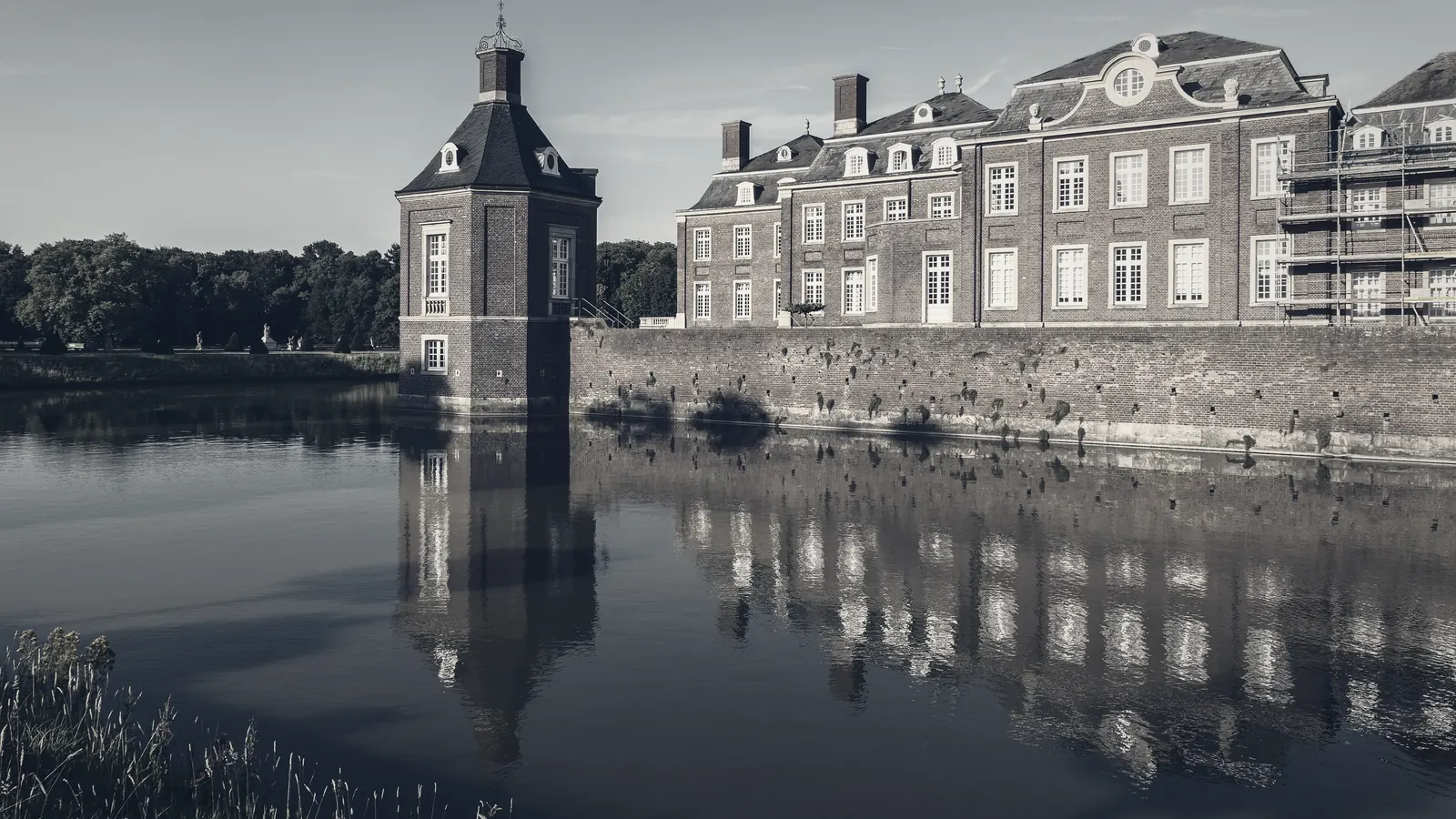

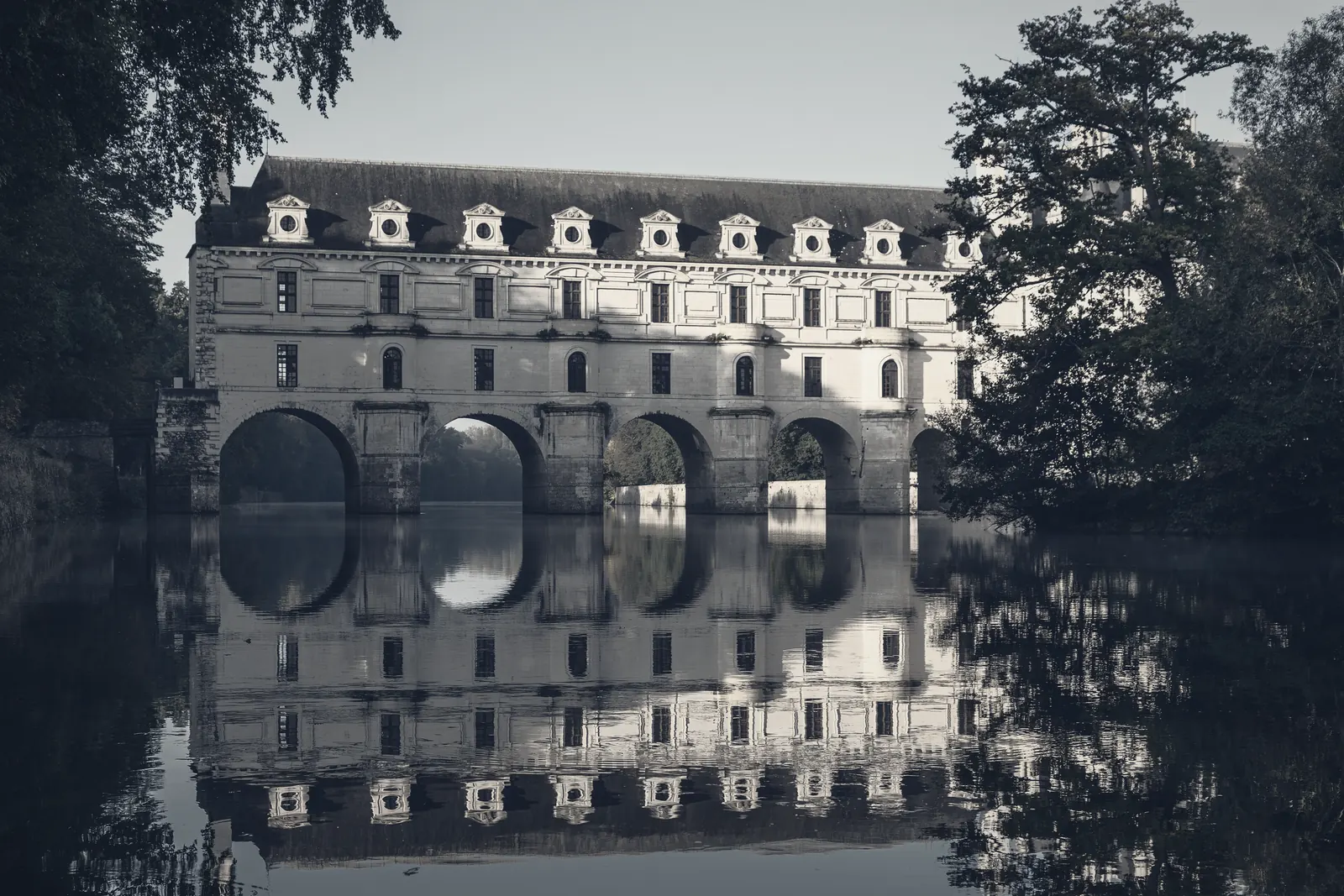
A historic residential estate reflected in still water

Flagship programme

RenaissanceAcademy

A pan-European leadership formation programme built around intensive residential Academies in Switzerland, adapting a Dutch residential model practised since 2015.

  • Thursday to Sunday
  • Forty fellows a cohort
  • Switzerland
  • Seminars in English
Scroll
I

Introduction

An Academy, not a conference.

The Renaissance Academy exists to form and connect a pan-European generation capable of independent judgment and of building institutions that last. It proceeds from a plain observation: leadership is not information transfer, and no amount of briefing produces the capacity to weigh a hard question well.

Each Academy runs from Thursday afternoon to Sunday afternoon and brings together roughly forty fellows from across the continent and across the professions. The days are given to primary texts read closely, to moderated argument, to sessions on the questions of contemporary self-government, and to lectures, music, poetry, landscape and shared meals.

The programme adapts a Dutch residential model practised since 2015 and takes it to a European scale. The initial cycle comprises four Academies, roughly one hundred and sixty fellows in total, and four public forums at which the work of each cohort enters public argument.

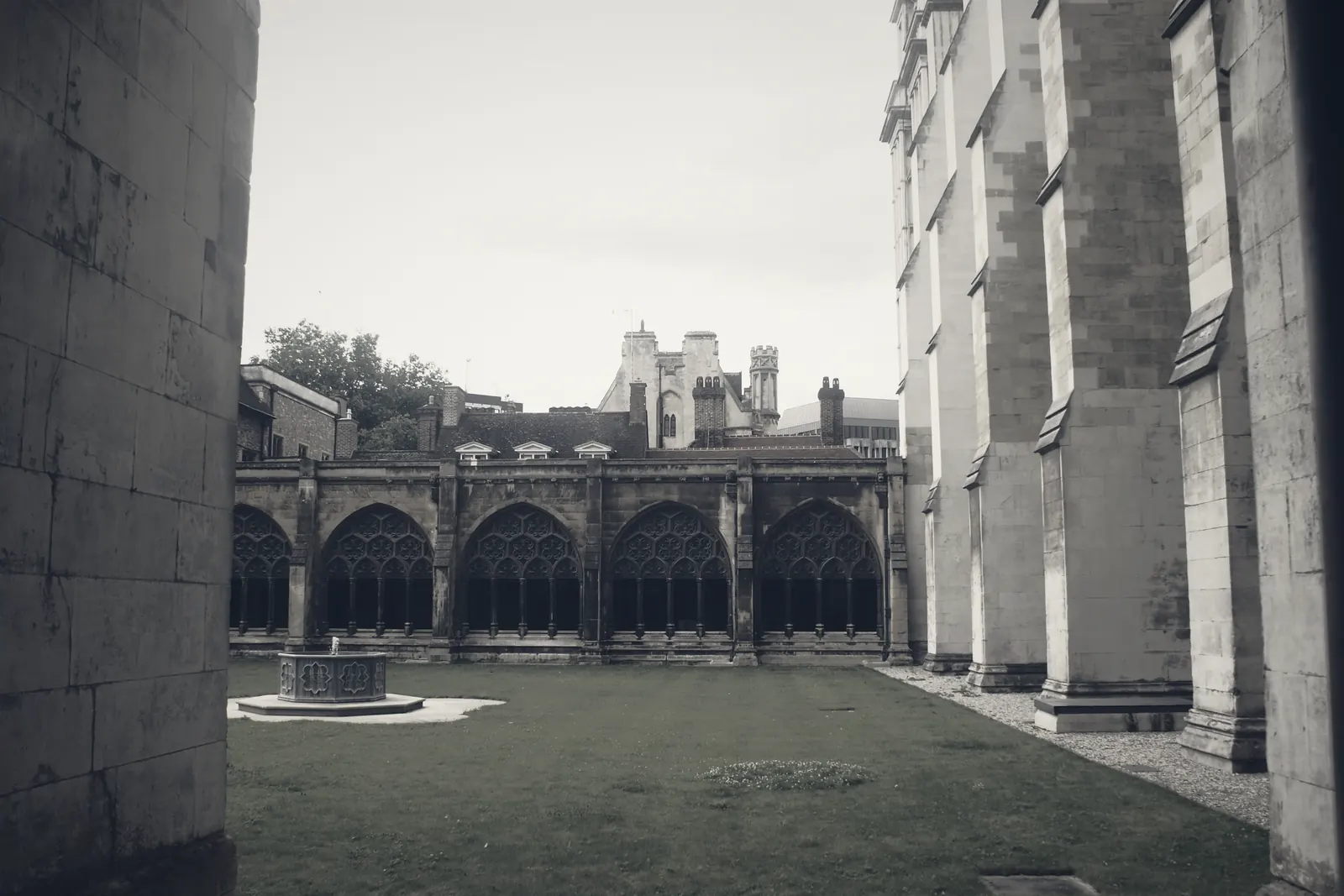
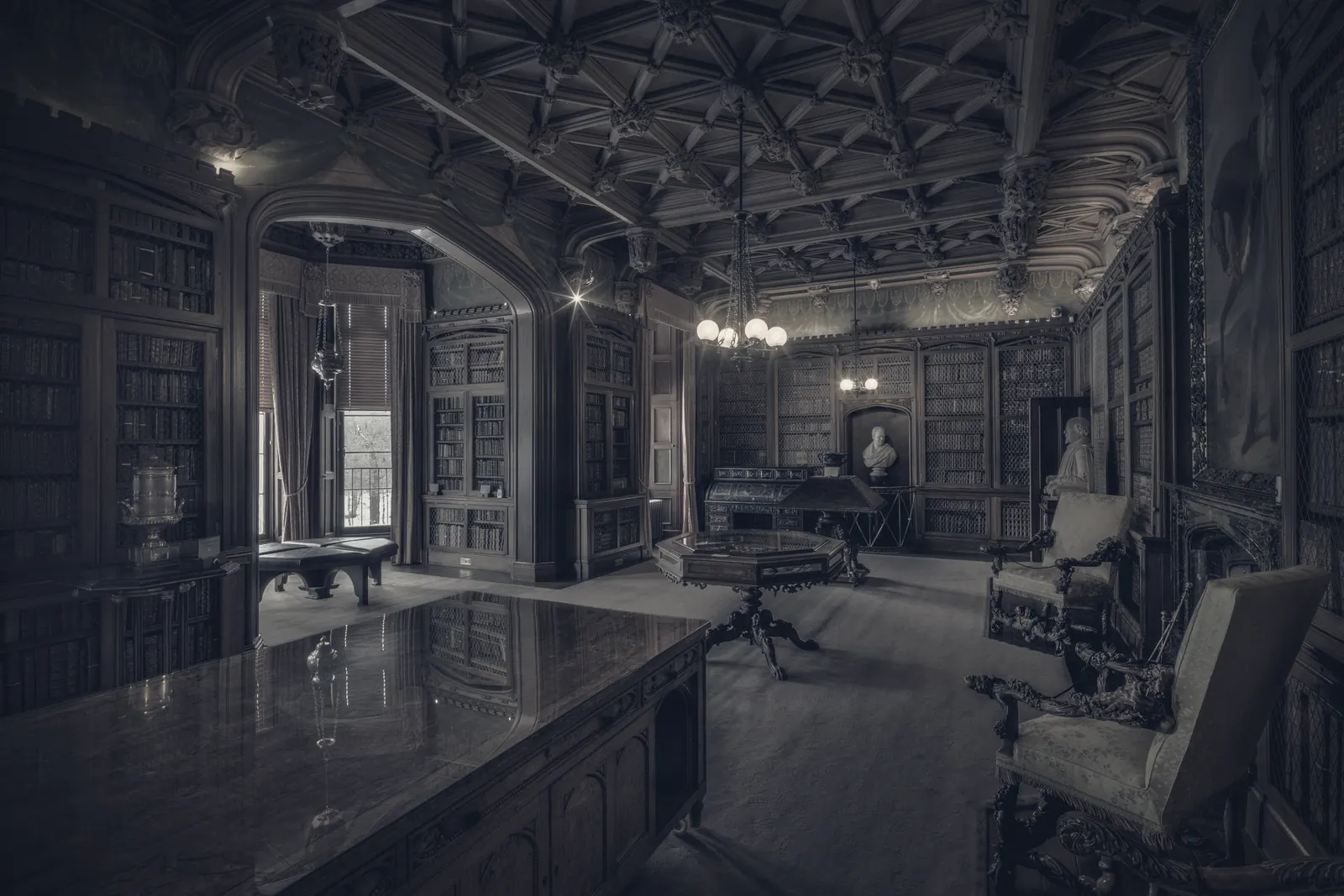
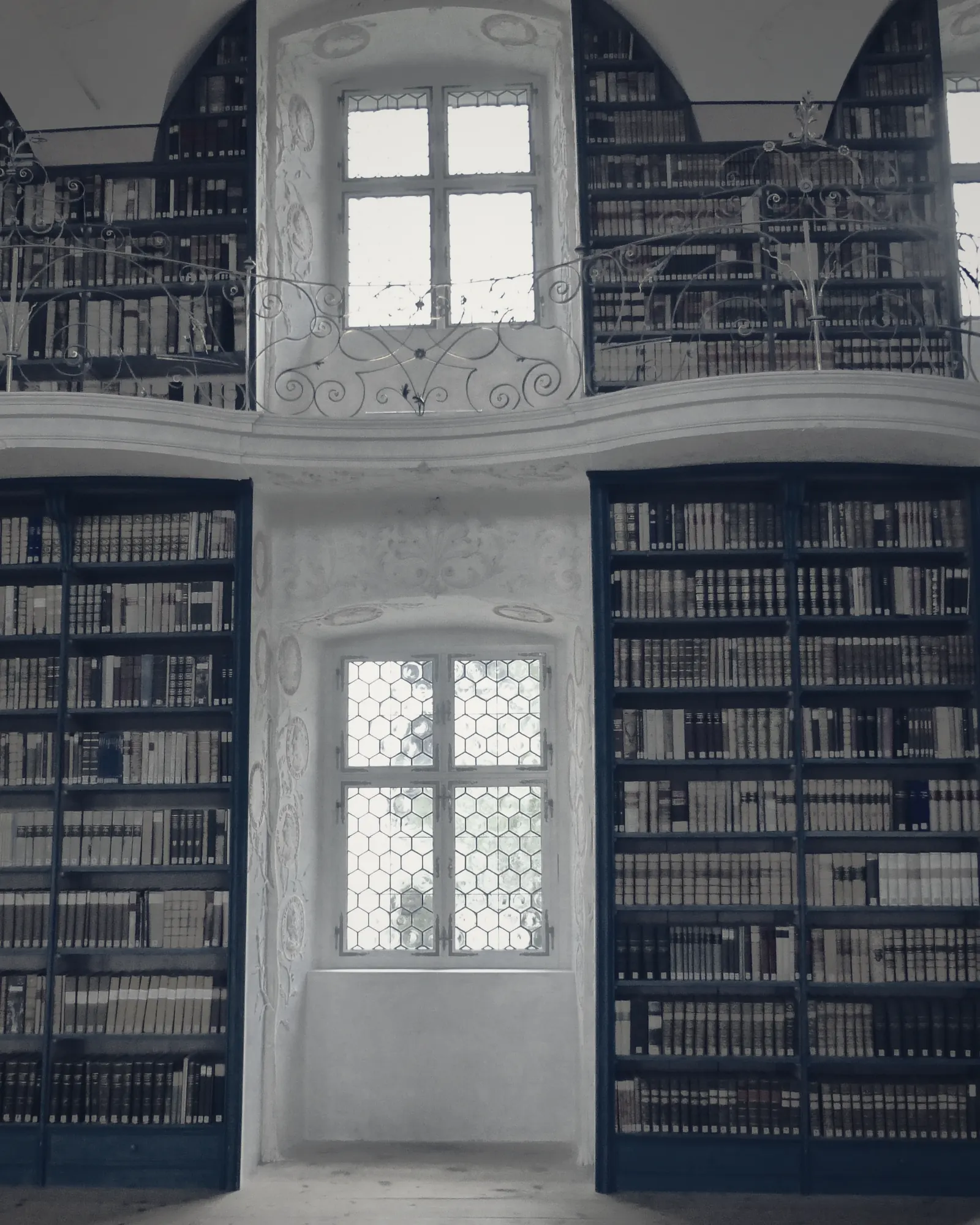
A reading gallery of bound volumes with a rolling ladder
Seminars run for about three hours and are closed to observers.
A panelled reading room with a long working table
A great deal of the argument continues away from the table.

Formation is the missing intermediary between opinion and leadership.
The founding principle of the Academy
A renaissance chateau standing in the river it was built across
II

Four days, given entirely.

Distance, place, duration, shared meals, reading, conversation, culture and ceremony are not the setting in which the programme happens. They are the programme.

II

Four days

The residential method.

The Academy deliberately removes fellows from ordinary routines. Distance, place, duration, shared meals, reading, conversation, culture and ceremony are not the setting in which the programme happens. They are the programme.

Four days is long enough for a group to stop performing and short enough to be given entirely. What follows is the shape of a single Academy.

  1. Thursday

    Afternoon and evening

    Arrival and departure from routine

    Fellows arrive in the afternoon and the ordinary week is put down. The opening seminar sets the terms of the cohort: what is read, how it is discussed, and what is expected of everyone in the room. Dinner follows, and with it the first long conversation.

    • Arrival and settling
    • Opening seminar
    • Formal dinner
    • Introductions in the hall
  2. Friday

    Full day

    Primary texts and close reading

    The first full day belongs to the texts. Two seminars, each of about three hours, work through the reading line by line before opening into argument. The afternoon makes room for physical activity and for walking, which is where much of the real discussion happens.

    • Morning seminar
    • Afternoon seminar
    • Walking and physical activity
    • Lecture and dinner
  3. Saturday

    Full day

    Contemporary self-government and culture

    Saturday turns from the texts to the present: sessions on sovereignty, legitimacy, membership and speech, held in a closed room so that arguments can be tested rather than performed. An excursion into the landscape or a nearby historic site follows. The evening is given to live classical music and to poetry.

    • Sessions on contemporary self-government
    • Historical or cultural excursion
    • Live classical music
    • Poetry and recitation
  4. Sunday

    Morning and early afternoon

    Synthesis, graduation and return

    The final morning gathers the week into a single argument and asks each fellow what they intend to do with it. Graduation is deliberately formal. It marks not the completion of a course but entry into a network that continues, and the return home that gives the whole programme its point.

    • Closing seminar
    • Cohort commitments
    • Formal graduation
    • Departure
III

Why formation

Judgment is exercised, not transmitted.

A person can hold a great many correct opinions and still be unable to think. Formation is concerned with the difference. It asks a fellow to take a position on a difficult question, to defend it against people who know the material, to discover where it fails, and to say so.

This requires conditions that a conference cannot supply. It requires time, because an argument settled in twenty minutes was not worth having. It requires difficulty, because texts that yield on first reading teach no one to read. It requires a closed room, because people will not risk an unfinished thought in front of an audience they cannot see.

And it requires the possibility of being shown to be wrong, in company, without loss of standing. That is the specific discomfort the Academy is organised around. Remove it and the seminar becomes a panel.

The purpose is not agreement. Fellows leave holding a wide range of positions, and the Academy has no interest in narrowing them. The purpose is that each position should have been tested.

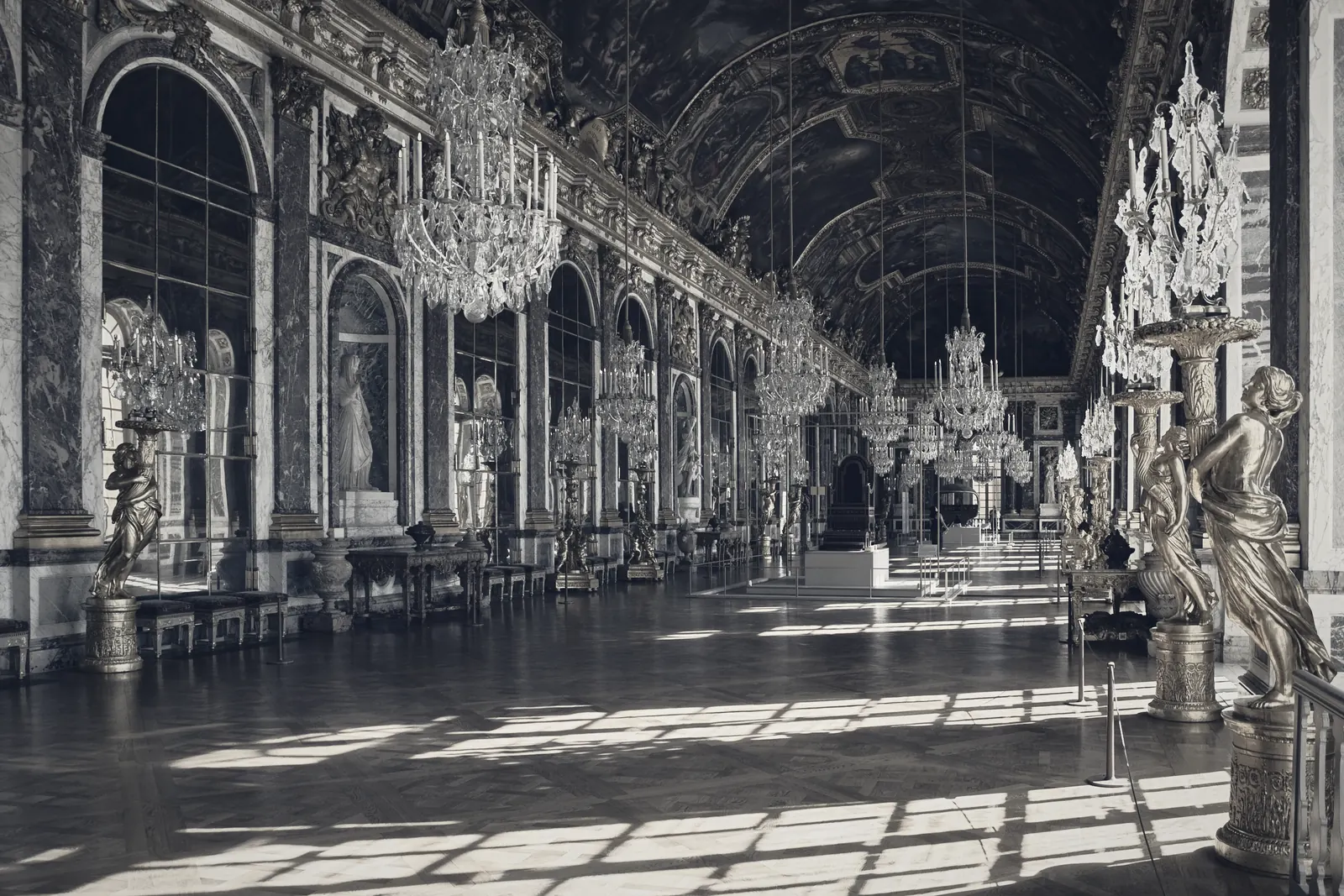
A mirrored gallery running the length of a palace
IV

What is actually read.

Primary texts rather than commentary, and the strongest version of every position, including those the association is least sympathetic to.

IV

What is read

Intellectual architecture.

The Academy is civilisationally grounded and intellectually ambitious. It reads primary texts rather than commentary, and it reads the strongest version of every position, including those it is least sympathetic to.

Six bodies of question run through the programme. They are stated here as questions because that is how they are treated in the room.

I

Tocqueville and the democratic age

Equality of conditions changes not only how a society is governed but what kind of person it produces. The Academy begins there, because every later question depends on the answer.

  • What kind of person does democracy produce?
  • What happens to liberty under equality of conditions?
  • What do local self-government and civil association actually do?
  • How do majority opinion and administrative centralisation act on freedom?
  • Which habits must a people keep if liberty is to survive?
II

Modern cultural critique

The Academy reads the critical traditions of the last century seriously and at first hand, including the Frankfurt School. The aim is comprehension, not caricature.

  • How did critique of authority, inherited norms and bourgeois society become the common sense of educated opinion?
  • What did that critique see clearly, and what did it refuse to see?
  • What positive account of order, freedom, loyalty and beauty can answer permanent critique?
  • Can a civilisation sustain itself on suspicion of its own inheritance?
III

Greatness: inheritance as an assignment

European achievement in philosophy, law, religion, science, architecture, music and letters is not a museum holding. It is an assignment addressed to whoever is willing to take it up.

  • What was actually built, and under which conditions?
  • What does it mean to possess an inheritance rather than merely to be born near it?
  • Which achievements are still live and which have become ornament?
  • What would carrying this forward require of a person now?
IV

Nostos: departure and return

The oldest European story about formation is a story about coming home with difficulty. Fellows leave familiar assumptions, meet rival traditions, and return to their own country and profession seeing both differently.

  • What has to be left behind before anything can be learned?
  • What is the difference between leaving home and abandoning it?
  • Why is the return harder than the departure?
  • What is owed to the place one returns to?
V

Borders, sovereignty and democratic legitimacy

Questions of authority are prior to questions of policy. The Academy treats them as the technical, historical and philosophical problems they are.

  • Who governs, in whose name, within which political community, and subject to which law?
  • What makes representative government legitimate?
  • What is the relationship between a border and self-government?
  • What separates the rule of law from rule by law?
VI

Membership, speech and identity

The most contested questions in European public life are treated directly, in a closed room, with the texts and the evidence on the table.

  • Migration, integration and the terms of membership.
  • European integration, democratic distance and consent.
  • Freedom of speech, censorship and the use of law as a political instrument.
  • National identity, solidarity and cultural self-confidence.

What you have inherited from your fathers, acquire it in order to possess it.
The maxim behind the Academy’s reading
V

Beauty and place

Culture is part of the formation, not the interval.

Classical music, poetry, architecture, landscape and place are integral to the Academy. An evening concert is not an entertainment laid on between working sessions, and an excursion is not a break from the reading.

A tradition that is only argued about, and never heard or seen or walked through, becomes an abstraction, and abstractions are easy to abandon. Fellows memorise and recite poetry. They hear music performed live in a room small enough to see the players. They walk through buildings and landscape that the texts were written in and about.

This is the part of the programme that fellows most often say they did not expect and least often say they would remove.

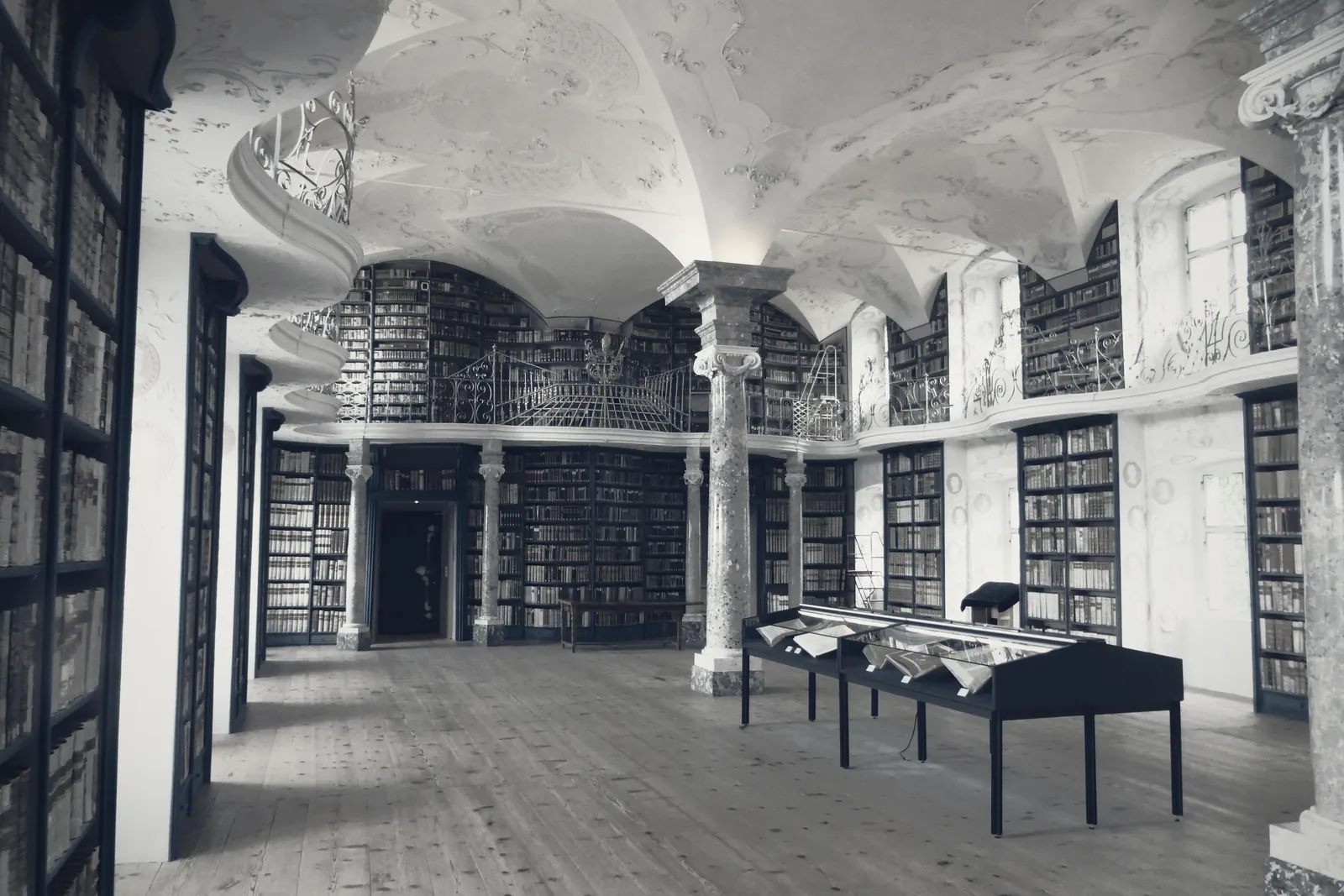
Gilded shelving and painted vaulting in an abbey library
VI

Method

Three hours, one text.

A typical seminar lasts around three hours. The first portion is given to close reading: the text on the table, passages read aloud, sentences held up and examined before anyone is permitted a general view of them.

The remainder is moderated discussion. The moderator keeps the argument on the text and out of the anecdote, and makes sure that the strongest objection in the room is actually stated.

The point is not consensus. The point is disciplined thought. A seminar that ends in agreement has usually avoided something.

Duration
About three hours
First portion
Close reading of a primary text
Remainder
Moderated discussion
Preparation
Expected, and assumed in the room
Record
Closed. Nothing is attributed outside

Sessions are closed for a pedagogical reason rather than a private one. A fellow must be able to state an unfinished argument, find that it fails, revise it, and continue, without performing for an audience outside the room.

VII

The house

A place chosen for attention.

A historic residential estate reflected in still water
The house, its grounds and the water it stands in.
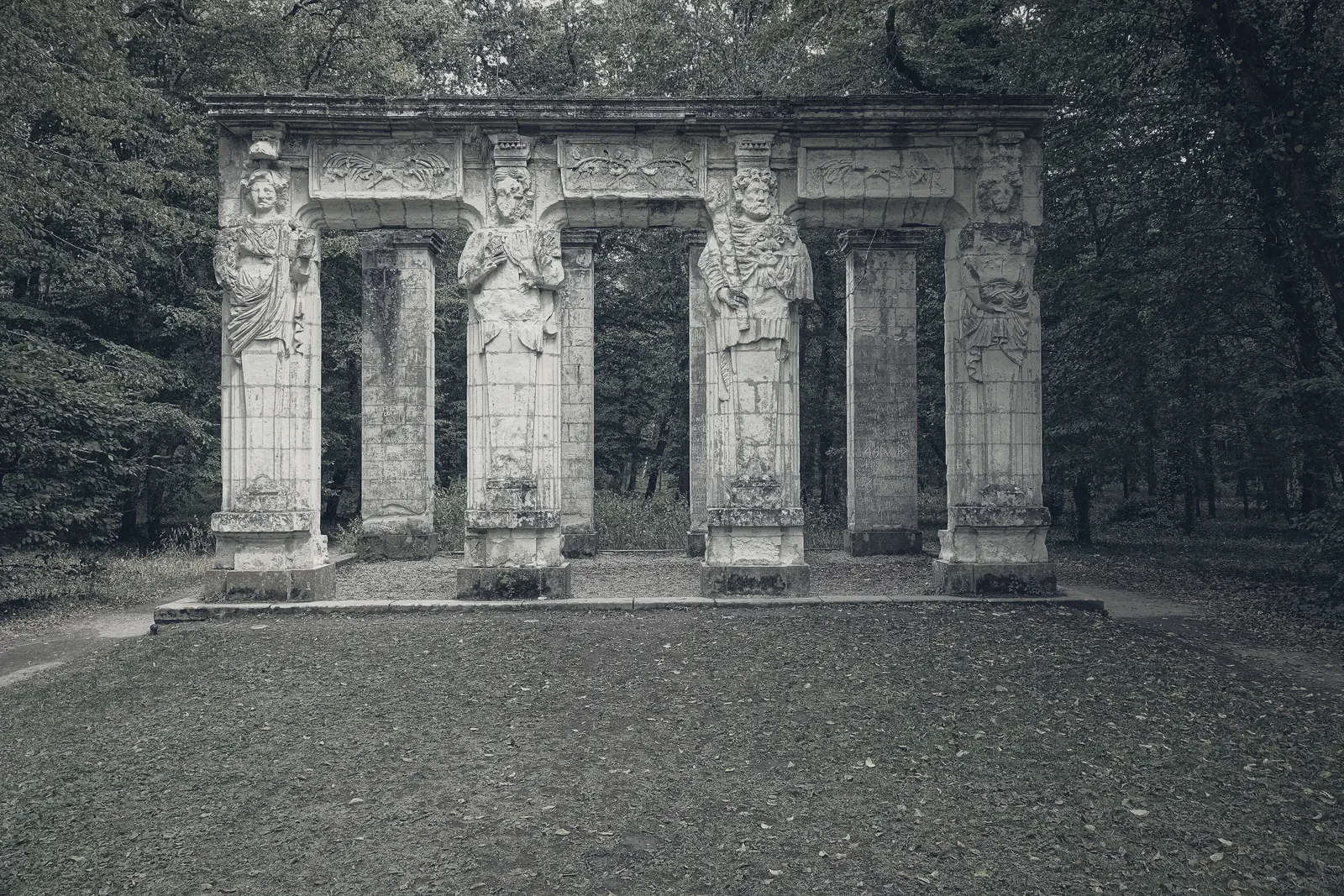
A colonnade standing in parkland
The grounds are part of the working day.
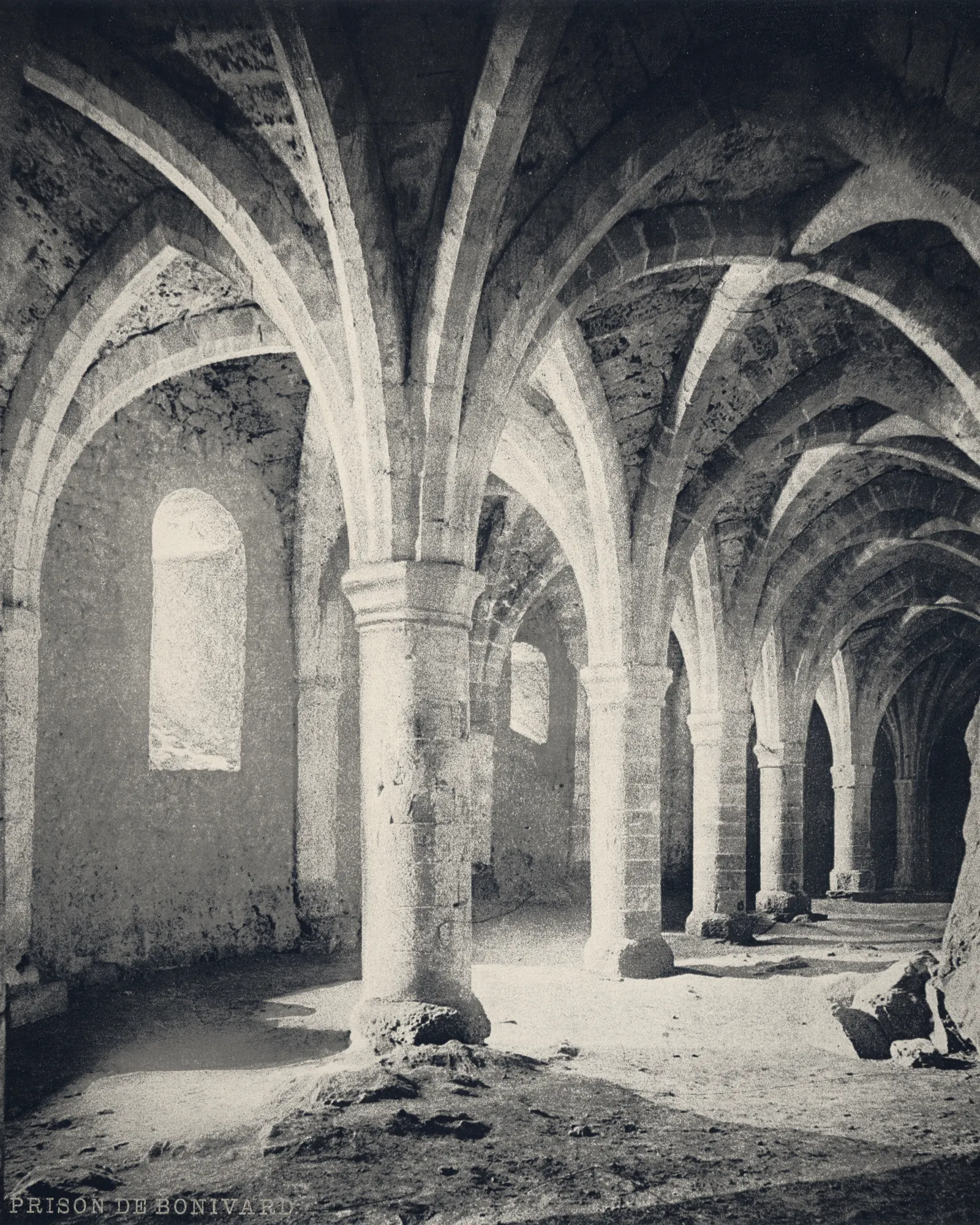
A vaulted stone undercroft
Rooms made for conversation rather than for conferences.

Distance is the first instrument.


Fellows live together for four days in a historic residential setting in Switzerland. Rooms, halls, a library, grounds and a landscape that rewards walking. Telephones are not confiscated, and they are also not much used.

The building does a substantial part of the work. Proportion, quiet, long tables and rooms made for conversation produce a different quality of attention than a hotel conference floor, and everyone notices it by the second morning.

The facade of a European country house across formal grounds
The estate is the working environment of the Academy, not its backdrop.
VIII

Community

What happens at the table.

Meals are formal and they are long. Distinguished guests join them, seating is arranged rather than left to chance, and the conversation is understood to be part of the day rather than a pause in it.

Shared meals, informal conversation, excursions and repeated encounters over four days produce relationships that conferences do not. Fellows who have argued seriously in the morning and eaten together in the evening arrive at a particular kind of trust, and that trust is what the network is subsequently built on.

The long axis of an abbey library lined with reading desks
A cloister arcade opening onto a courtyard
IX

After the four days

Graduation is an entry, not a conclusion.

The Academy closes with a formal graduation. The formality is deliberate: it marks a threshold rather than the completion of a course, and what lies on the other side of it is a continuing obligation to the network.

Alumni are matched with mentors across borders and disciplines. They convene chapters, reading groups and salons in the cities where they live. They are expected, over time, to return as hosts, seminar leaders, employers, donors and founders, and the programme is designed on the assumption that they will.

X

The cycle

Programme structure.

The initial programme comprises four residential Academies in Switzerland and four public capstone forums, together with the mentorship, chapter and publication work that runs between them.

Format
Residential, Thursday afternoon to Sunday afternoon
Cohort
Approximately forty fellows
Cycle
Four Academies, approximately 160 fellows
Location
Switzerland, with forums held across Europe
Language
English, with texts consulted in the original where it matters
Public work
Four capstone forums and published contributions

What the programme is for

Intended outcomes.

Stated plainly, and stated in advance, so that the programme can be held to them.

160
FellowsAcross four residential Academies in the initial programme, roughly forty in each cohort.
4
Public forumsCapstone forums that bring the work of each cohort into public argument.
90%
CompletionThe standard the programme is designed to meet across the full cycle.
12+
Public outputsSubstantive published contributions in research, journalism, policy and culture.

Beyond the figures, the programme aims to strengthen knowledge and reasoning, intellectual confidence, the ability to engage competing arguments, cross-border relationships and mentorship, civic responsibility, institutional leadership, and the capacity to build organisations that outlast their founders.

XI

Fellows

Who the Academy is for.

High-potential Europeans early or mid-way in serious careers, drawn deliberately from fields that rarely meet one another. A cohort works because a constitutional lawyer, a founder, a physicist and an editor are in the same room and cannot fall back on shared professional shorthand.

  • Politics
  • Law
  • Entrepreneurship
  • Business
  • Technology
  • Journalism
  • Culture
  • Science
  • Academia
  • Public administration
  • Civil society

Nothing in the process asks for or assumes membership of a political party, and the Academy neither seeks nor produces ideological conformity. Fellows are expected to disagree with one another, and to keep doing so afterwards.

XII

Admission

What selection looks for.

Places are limited by the format rather than by policy: a seminar of forty is already at the upper end of what close reading can carry. Selection is therefore attentive, and it weighs the composition of the cohort as much as the merits of any individual.

  1. 01Intellectual curiosity, and evidence of sustained reflection rather than fluency alone
  2. 02Initiative: things begun, built or carried through
  3. 03A demonstrated sense of responsibility toward institutions and toward others
  4. 04The capacity to engage disagreement without retreating from it
  5. 05Willingness to revise a position when the argument requires it
  6. 06Commitment to peaceful democratic self-government
  7. 07What the applicant will contribute to the cohort, not only what they will take from it
  8. 08Geographic and professional diversity across each Academy
XIII

Frequently asked

Questions.


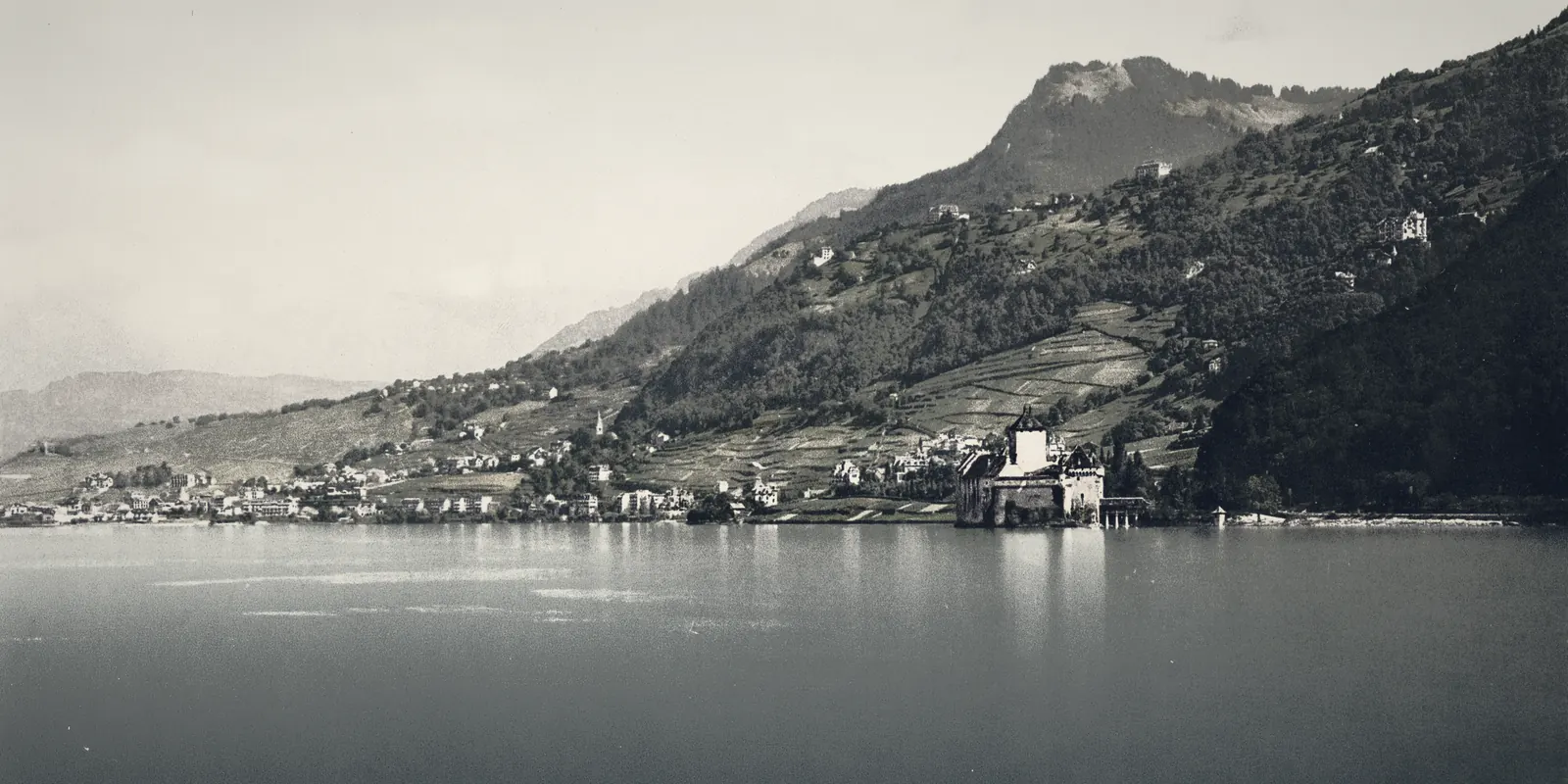
A lakeside castle beneath mountains on Lake Geneva

Switzerland

Four days thatchange what a careeris for.

Next cohort

Register your interest.

Registering interest places you on the list for the next Academy and opens correspondence about fit, timing and the selection process. It commits you to nothing.